
In Part 2 of this series, we continued conversation about the difference between lifespan and health span and the simple ways that can help.
This post covers a lever your doctor probably never prescribes: a dog.
The research here is surprisingly strong. A Swedish study following 3.4 million people found that dog owners had significantly lower rates of cardiovascular disease and death, with the biggest benefit among people living alone. A pooled analysis of studies covering nearly four million people found dog owners had roughly 24 percent lower all-cause mortality. Heart attack survivors with dogs fared notably better than those without.
Why would that be? No mystery required.
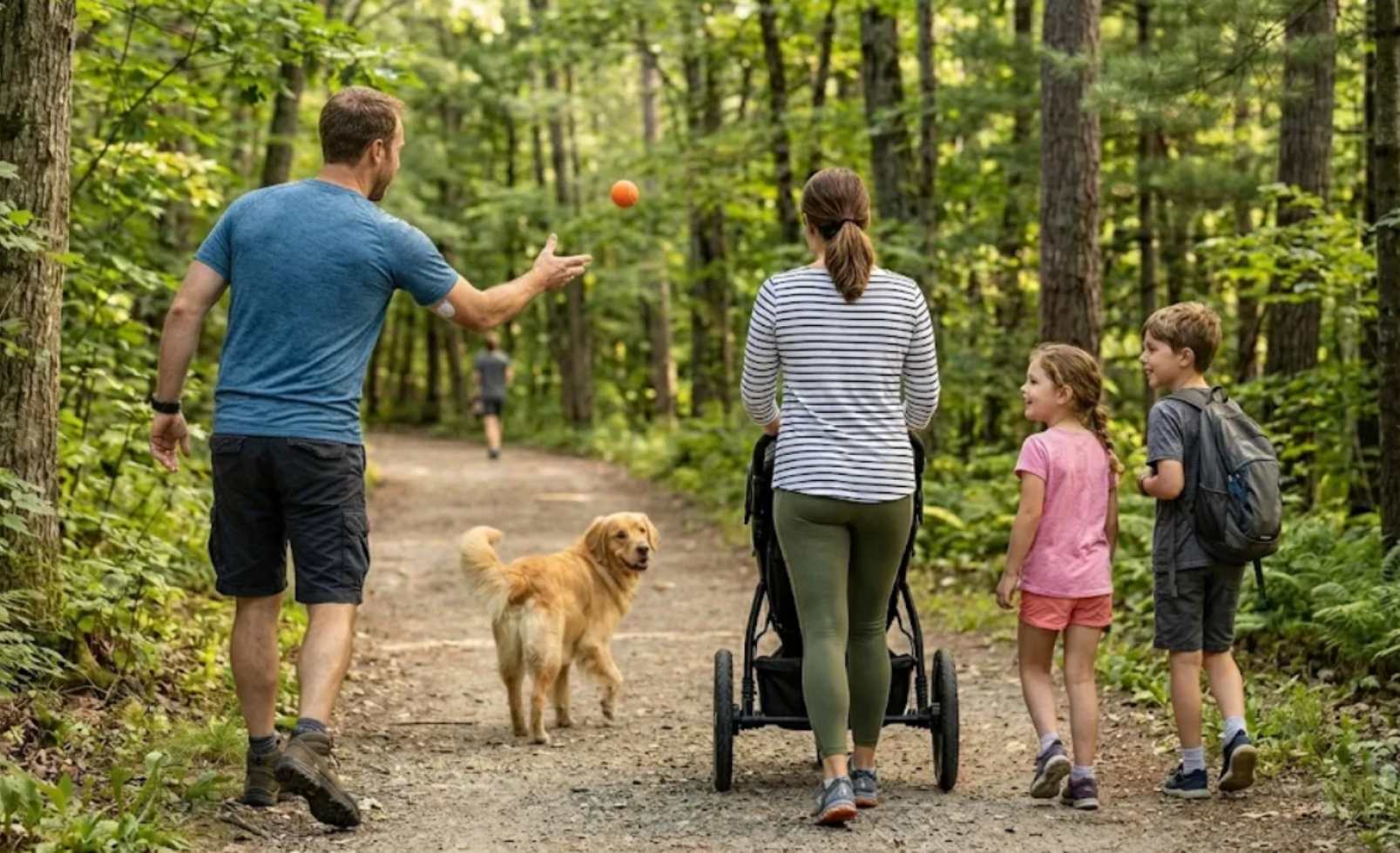
Dogs make you move. A dog does not care about the weather or your motivation. Dog owners walk substantially more than non-owners, and it is exactly the kind of movement that matters daily, moderate, outdoors, sustained for years. For our COPD and heart patients, that consistent low-grade activity is precisely what pulmonary and cardiac rehab try to build.
Dogs impose routine. Feeding, walking, and care happen on a schedule. Routine is underrated medicine, especially for sleep. A consistent wake time anchored by a dog who insists on breakfast is better sleep hygiene than most apps.
Dogs reduce loneliness. Companionship at home, plus the social contact that comes with it. Dog owners talk to more neighbors and strangers than almost anyone else on the block. Loneliness is a genuine health risk, and a dog attacks it from two directions.
Dogs lower stress physiology. Interacting with a pet measurably lowers blood pressure and stress hormones in study settings. Ten quiet minutes with a dog is a legitimate blood pressure intervention.
An honest caveat?
Some of the benefit is selection: healthier, more active people are more likely to get dogs in the first place. But the mechanisms above do not depend on that. The walking is real, the routine is real, and the companionship is real.
What if a dog is not realistic?
Cats and other pets deliver companionship and routine without the walking. Older or lower energy dog breeds fit limited mobility. Fostering, dog-walking for a neighbor, or volunteering at a shelter deliver much of the benefit without the full commitment. If you are on oxygen or have limited mobility, talk to us about portable options that make daily walks workable.
The prescription is simple: something that needs you every day, gets you moving, and is glad to see you.