
If a pill cut your risk of early death as much as strong social connection does, it would be the best-selling drug in history. That is not an exaggeration. A landmark analysis of 148 studies covering more than 300,000 people found that people with strong social ties had a 50 percent higher likelihood of survival over the study periods. The researchers compared weak social connection to smoking up to 15 cigarettes a day and found it a stronger mortality predictor than obesity or physical inactivity.
The U.S. Surgeon General was concerned enough to declare loneliness a public health epidemic. Chronic loneliness is linked to higher rates of heart disease, stroke, dementia, depression, and weakened immune function. In the world’s longevity hot spots, the so-called Blue Zones, researchers consistently find the same ingredient: people are embedded in communities that see them every day.
For our patients managing chronic conditions, this is not a soft topic. Connection changes outcomes directly.
Connected patients stick with treatment. Medication adherence, PAP compliance, glucose monitoring, oxygen use: all improve when someone else knows about them and asks. A spouse, a friend, a walking partner is an accountability system no app can match.
Connection buffers stress. Chronic stress raises blood pressure, glucose, and inflammation. Strong relationships measurably blunt the stress response. This is physiology, not sentiment.
Isolation hides decline. A flare-up, a fall, a depression setting in: these get caught early by people who see you regularly and late by no one.
How to build it, practically?
Connection responds to the same logic as exercise: schedule it, keep it small, repeat it.
Anchor one standing commitment. A weekly call with a sibling, a Tuesday coffee, a church group, a card game. Recurring beats spontaneous, because spontaneous quietly stops happening.
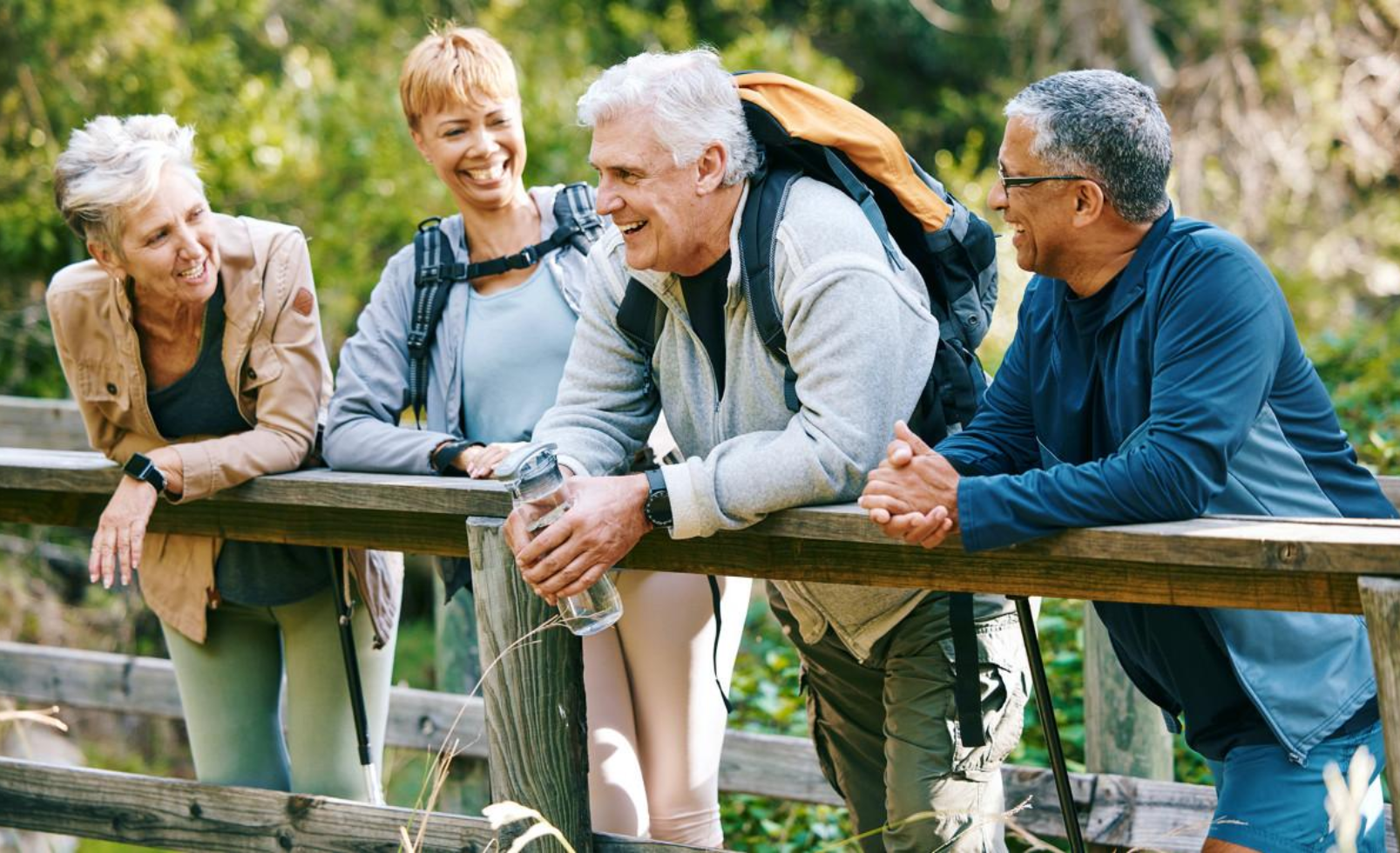
Combine connection with movement. A walking partner delivers two health span interventions in one. So does a mall-walking group or a pulmonary rehab class, where the friendships are half the benefit.
Say yes to the small stuff. The evidence shows even light-touch social contact, chatting with neighbors and cashiers, moves the needle on wellbeing. Depth matters, but frequency matters too.
If your condition is the barrier, fix the barrier. We hear it often: patients skip gatherings because of oxygen equipment, CPAP travel hassles, or incontinence worries. Every one of those has a solution. Staying home is the one outcome we should refuse to accept. Call us.
Your relationships belong on the same list as your blood pressure and your A1c. Tend to them the same way.